The hidden cost of an outage: the role of storage in business continuity
When it comes to business continuity, attention tends to focus on backup strategies, recovery plans or cybersecurity measures. However, there is an often-overlooked element that plays a crucial role in an organisation’s ability to withstand incidents and recover quickly: storage.
The unavailability of critical systems today has an impact that extends far beyond the technological sphere. Every minute of downtime can result in lost productivity, service failures, financial impact, non-compliance with regulatory requirements and reputational damage that is difficult to recover from. The true cost of an outage is not always visible in financial reports, but is felt directly in operations and customer confidence.
In a context where ransomware attacks continue to evolve and organisations increasingly rely on their data to operate, the issue is no longer simply about protecting information. The challenge lies in ensuring that, when an incident occurs, data remains available and can be recovered quickly.
It is precisely at this point that storage takes on a strategic role.
For many years, storage solutions were evaluated primarily on the basis of their capacity, performance or cost. Today, the criteria are different. IT managers, CIOs and cybersecurity leaders are looking for platforms capable of actively contributing to the organisation’s digital resilience, reducing the impact of failures, human error or cyberattacks.
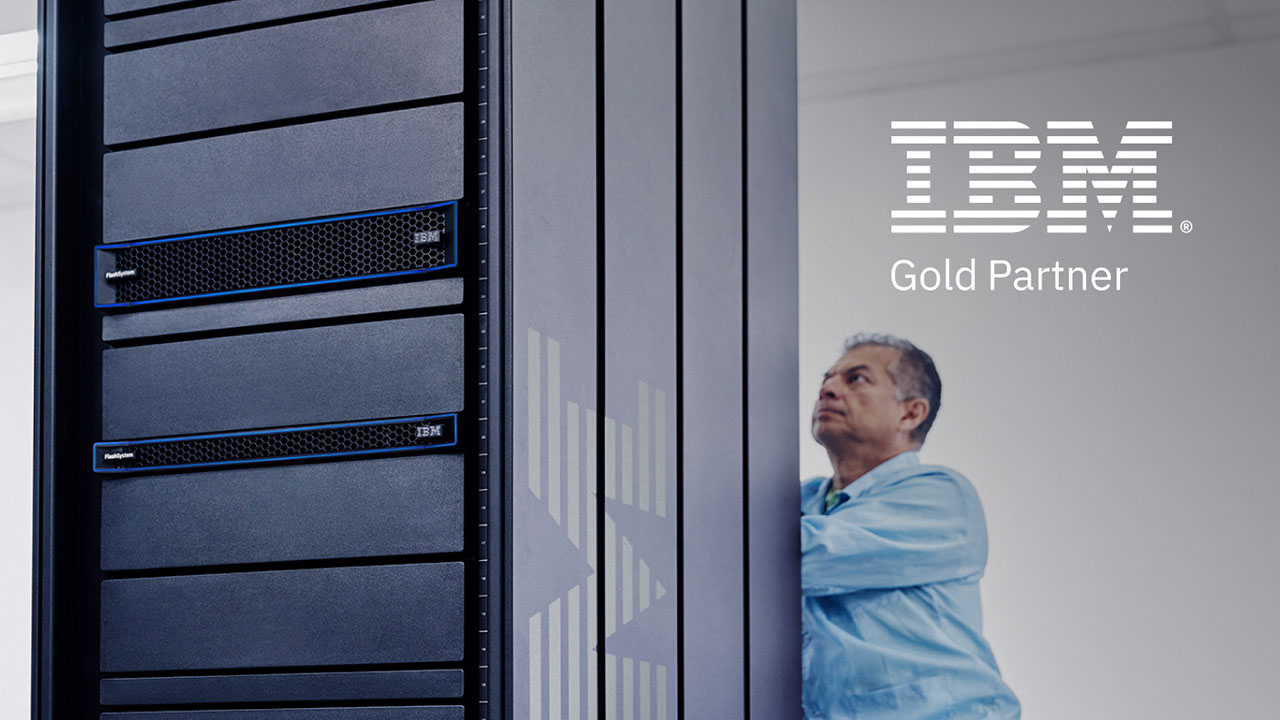
IBM FlashSystem solutions have been designed to address this new reality. The platform integrates advanced cyber resilience features that help organisations protect critical data, detect anomalous behaviour and accelerate recovery processes. Key features include advanced threat detection mechanisms, immutable snapshots, data replication and rapid recovery capabilities, which are essential for reducing downtime and minimising the impact of incidents.
In addition to data protection, organisations also need to ensure high levels of availability and performance to support applications and services that are increasingly critical to the business. The combination of these factors makes storage one of the central components of any business continuity strategy.
Organisations looking to strengthen their business continuity strategy now have access to storage solutions specifically designed to address the challenges of cyber resilience. The IBM FlashSystem family combines performance, availability and advanced data protection features, enabling IT teams to reduce operational risks and accelerate recovery processes. Currently, there are IBM FlashSystem configurations covered by a special Eurotux campaign, making this a particularly opportune time to evaluate storage infrastructure modernisation projects.
Business continuity no longer depends solely on the ability to prevent incidents. Above all, it depends on the ability to recover quickly when they do occur. In a scenario where disruption is no longer a remote possibility but a reality that all organisations must reckon with, investing in resilient storage is investing in the company’s ability to continue operating when it matters most.
Until 26 June, Eurotux is running a campaign dedicated to the IBM FlashSystem 5600, a solution designed to help organisations protect critical data, strengthen their recovery capabilities and increase operational resilience. Interested companies can find out about the configurations covered by the campaign and obtain expert advice from the Eurotux team to identify the solution best suited to their needs.